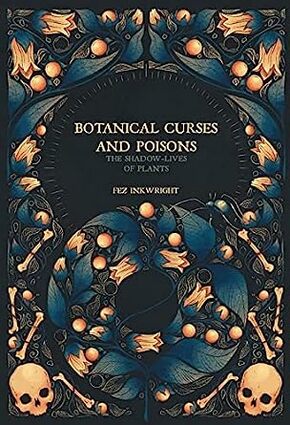
Botanical Curses and Poisons
Trenutno nedostupno u web trgovini
Za više informacija molimo kontaktirajte nas na +385 1 4815 162 ili pomoc@planetopija.hr
O knjizi
Discover the folklore and history of our most toxic plants through this beautifully produced, gorgeously illustrated compendium.
“If you drink much from a bottle marked ‘poison,’ it is almost certain to disagree with you, sooner or later.” – Lewis Carroll, Alice in Wonderland
In both history and fiction, some of the most dramatic, notorious deaths have been through poisonings. Concealed and deliberate, it’s a crime that requires advance planning and that for many centuries could go virtually undetected. And yet there is a fine line between healing and killing: the difference lies only in the dosage! In Botanical Curses and Poisons, Fez Inkwright returns to folkloric and historical archives to reveal the fascinating, untold stories behind a variety of lethal plants, witching herbs, and funghi. Going from A to Z, she covers everything from apple (think of the poisoned fruit in “Snow White”) and the hallucinogenic angel’s trumpet to laurel, which emits toxic fumes, to oleander (a deadly ornamental shrub), with each plant beautifully illustrated by the author herself. This enthralling treasury is packed with insight, lore, and the revealed mysteries of everyday flora—including the prevalence of poisoning in ancient Rome, its use in religion and magic, and common antidotes—making this perfect for gardeners, writers, folklorists, witches, and scientists alike!
Detalji
Upoznaj autora
Fez Inkwright
Fez Inkwright is a Bristol-based author and illustrator whose main passions lie in conservation, folklore, and tattoo design, with heavy occult and ethnobotanical themes. She focuses on the significance of parts of our ecosystems that are often overlooked, such as common weeds and hedgerow plants, and aim to raise awareness of their vital importance to the health of our planet.
Fez has authored and illustrated a number of books and cartomancy decks, primarily exploring the importance of plants and insects to the development of human culture and religion.